
Do You Still Need Table Lamps If You Have Ceiling Lights?
In the debate over table lamps vs ceiling lights, one bright fixture often steals the show—until rooms feel flat, shadows creep in, and comfort quietly slips away.
Recent 2025 reports from the American Lighting Association and Houzz Research point to rising demand for layered lighting and portable luminaires for comfort, task clarity, and mood control.
Table lamps fix what ceilings can’t.
Illumination Insights: table lamps vs ceiling lights
➔ Layered Lighting for Depth: Combine ceiling fixtures with table lamps to soften shadows and add visual warmth.
➔ Task Clarity: Use plug-in desk lamps for directional light and reduced eye strain during reading or detailed work.
➔ Mood Control: Dimmable smart bulbs in table lamps enable customizable brightness and color temperature on demand.
➔ Color Harmony: Align LED color temperatures across all fixtures to maintain a cohesive atmosphere and avoid jarring contrasts.
Do Ceiling Lights Provide Enough?
Ceiling fixtures look like the obvious winner in the debate around table lamps vs ceiling lights, but real-life lighting rarely feels that simple. From brightness levels to mood, the mix of table lamps vs ceiling lights shapes how a room actually works. Let’s break it down in plain terms.

Assessing General Illumination from LED Ceiling Lights
When comparing table lamps vs ceiling lights, start with the basics: general illumination. Modern LED technology in ceiling fixtures pushes strong light output, often enough to brighten an entire bedroom or living area in one click.
-
Wide room coverage
-
Adjustable brightness levels
-
Energy-efficient performance
Still, lighting assessment goes deeper:
-
Check how evenly the light spreads.
-
Notice shadow build-up near walls.
-
Observe contrast under shelves or cabinets.
In the table lamps vs ceiling lights discussion, ceiling units win on reach but lose a bit on flexibility. A single overhead source sends light downward, which can flatten depth. That’s where lighting assessment becomes practical, not theoretical.
According to the International Energy Agency’s 2025 lighting update:
“LED-based ceiling systems dominate residential upgrades due to efficiency, yet layered lighting remains critical for visual comfort and balanced interior environments.”
So yes, ceiling lights handle broad brightness. But brightness alone doesn’t settle the table lamps vs ceiling lights debate.
When Ambient Lighting Falls Short in a Modern Bedroom
In a modern bedroom, relying only on ambient lighting can feel a little cold. The room is bright, sure, but not always inviting.
Here’s what often happens in the table lamps vs ceiling lights setup:
-
Overhead glow fills the center.
-
Corners turn into mild shadow areas.
-
The bed zone lacks soft contrast.
That’s classic lighting inadequacy. You get visibility without vibe.
Break it down further:
-
Room atmosphere
-
Overhead-only lighting feels flat.
-
Lack of lighting layers reduces depth.
-
-
Visual comfort
-
Direct downward light strains relaxed evening use.
-
No dim side lighting for winding down.
-
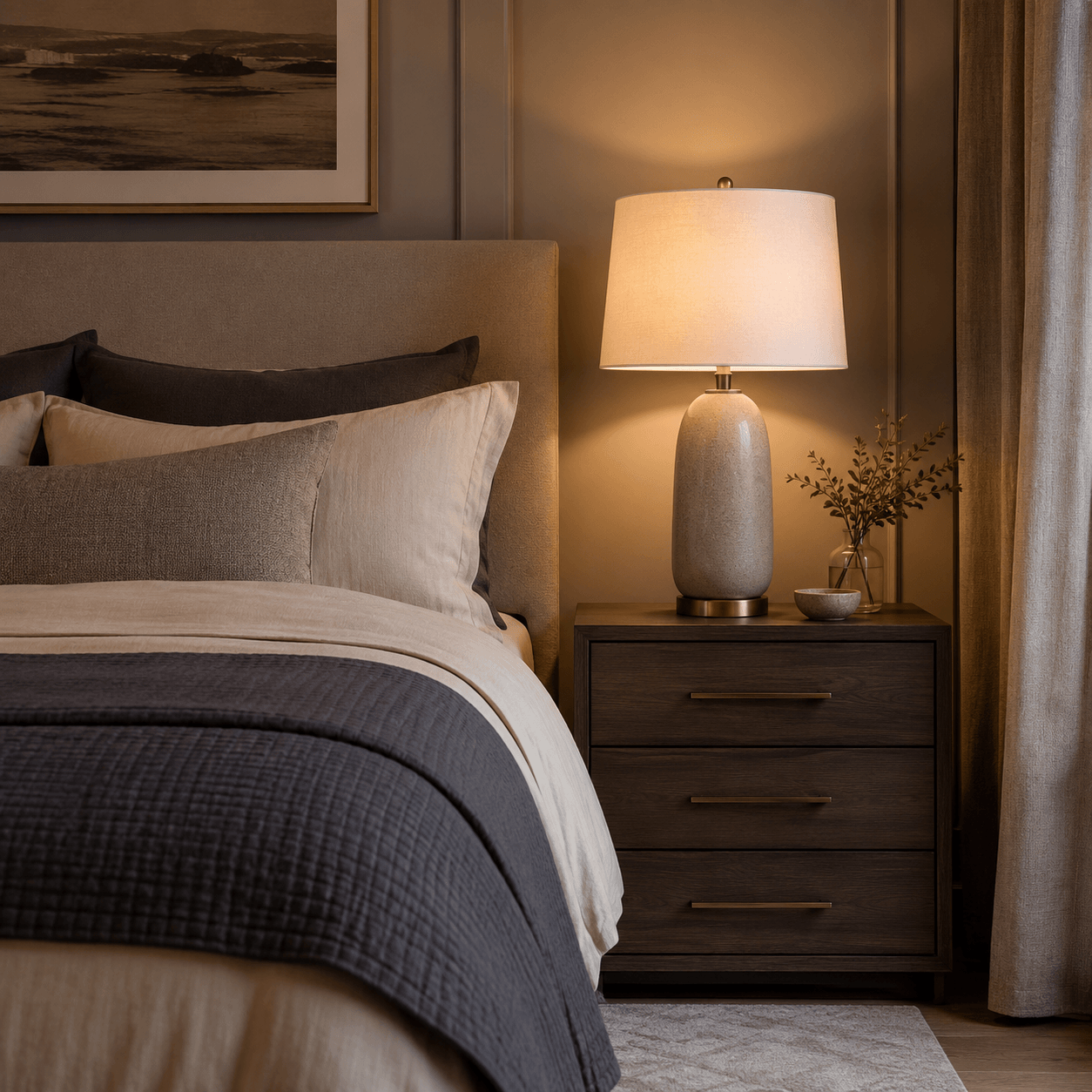
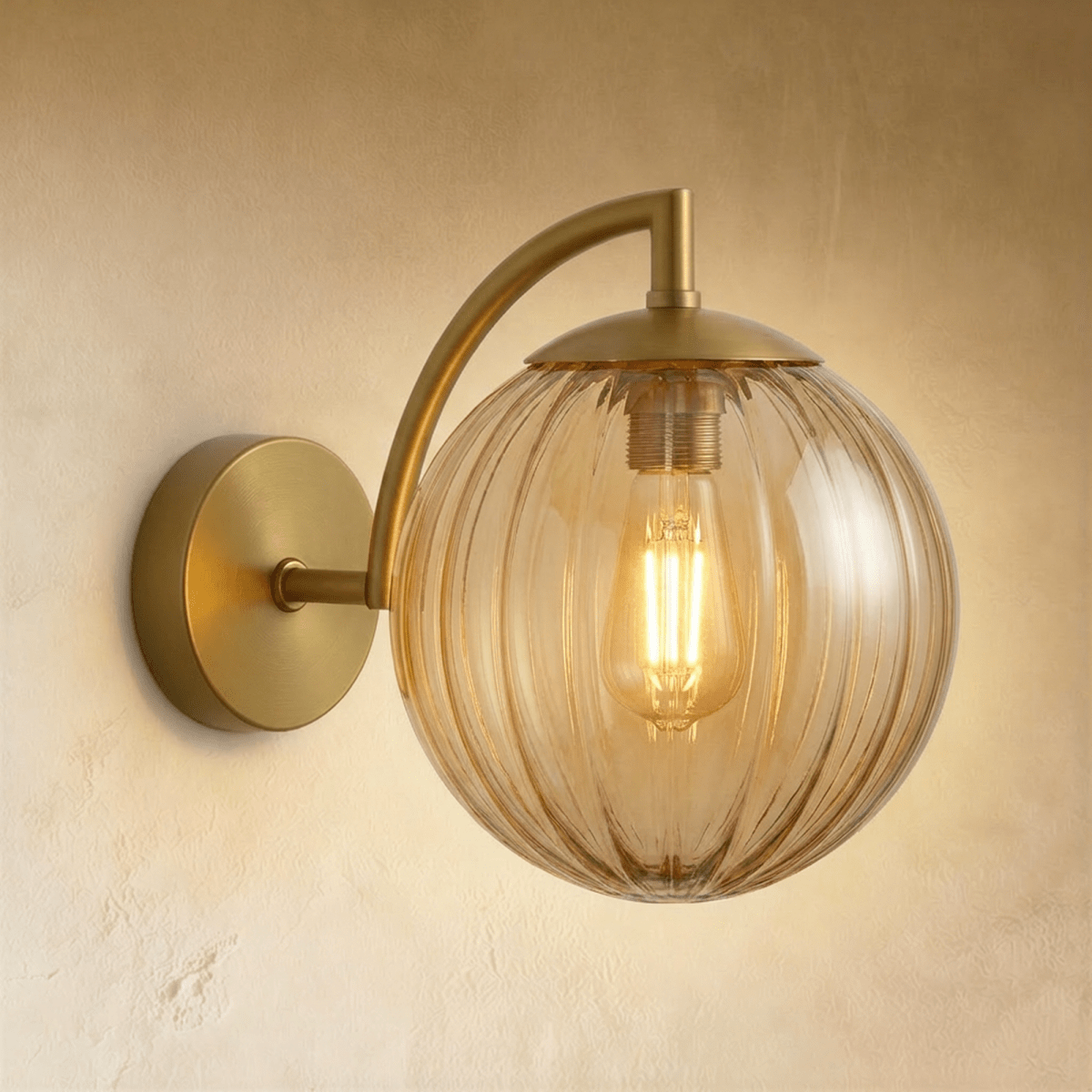
When weighing table lamps vs ceiling lights, bedside lamps bring emotional warmth. Ceiling fixtures provide scale. Together, they support stronger visual comfort and a balanced room atmosphere that doesn’t feel like a hospital ward at 10 p.m.
Flush Mount Limits: Why Task Lighting Still Matters
Flush mount fixtures are compact and tidy. Great for low ceilings. Not so great for detailed work.
In the table lamps vs ceiling lights debate, here’s where limitations show up:
-
Light spreads wide instead of staying tight.
-
Fine visual tasks—reading, journaling, laptop work—need focused illumination.
-
Overhead-only setups create mild glare on glossy surfaces.
Think in layers:
-
Ambient Base
- Ceiling fixture for overall visibility
-
Activity Layer
-
Desk or bedside lamp for specific activities
-
Reading
-
Writing
-
Device use
-
-
This is where task lighting steps in as supplementary lighting, not competition. The comparison of table lamps vs ceiling lights isn’t about picking a winner. It’s about matching lighting to real life.
So, do ceiling lights provide enough? For general brightness, yes. For comfort, detail, and flexibility in the everyday table lamps vs ceiling lights choice—probably not alone.
3 Reasons to Keep Table Lamps
When people debate table lamps vs ceiling lights, it often turns into a brightness contest. But real homes aren’t showrooms—they’re lived in. From late-night reading to chill movie vibes, the difference between table lamps and overhead fixtures shows up fast. Here’s why the table lamps vs ceiling lights conversation still matters in modern spaces.

Reason 1: Focused Task Lighting with a Plug-in Desk Lamp
In the ongoing table lamps vs ceiling lights debate, task lighting changes everything.
-
At a workspace
-
A desk lamp with focused light directs illumination exactly where it’s needed.
-
A simple plug-in setup means no rewiring.
-
For reading, glare drops and eye strain eases.
-
-
In shared rooms
-
Ceiling lights flood the entire area.
-
Table lamps create personal zones without bothering others.
-
-
In practical terms
-
Overhead lighting = broad wash.
-
Table lighting = precision.
-
Brands like Zarvo Lighting design adjustable heads and steady bases, making the table lamps vs ceiling lights choice feel less like a compromise and more like smart layering.
Reason 2: Accent Lighting to Highlight Art Deco Decor
When comparing table lamps vs ceiling lights, style plays a huge role.
-
Accent lighting adds depth.
-
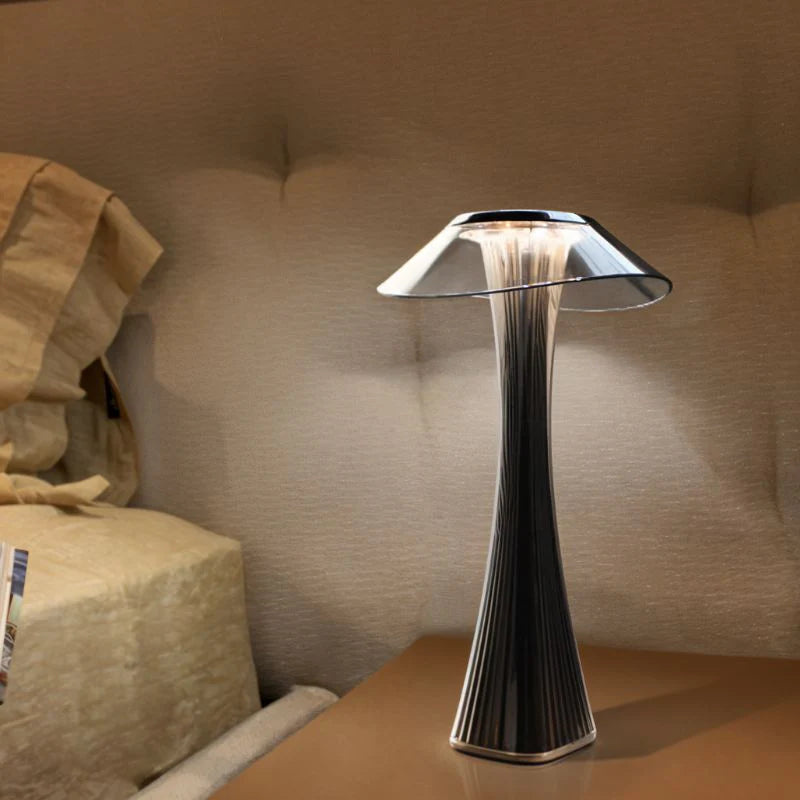
Art Deco details—chrome, glass, bold lines—need a gentle highlight.
-
A well-placed lamp boosts aesthetic appeal and reinforces style.
Think about it:
• Overhead fixtures brighten everything.
• A decorative lamp shapes ambiance.
• Layered lighting feels intentional.
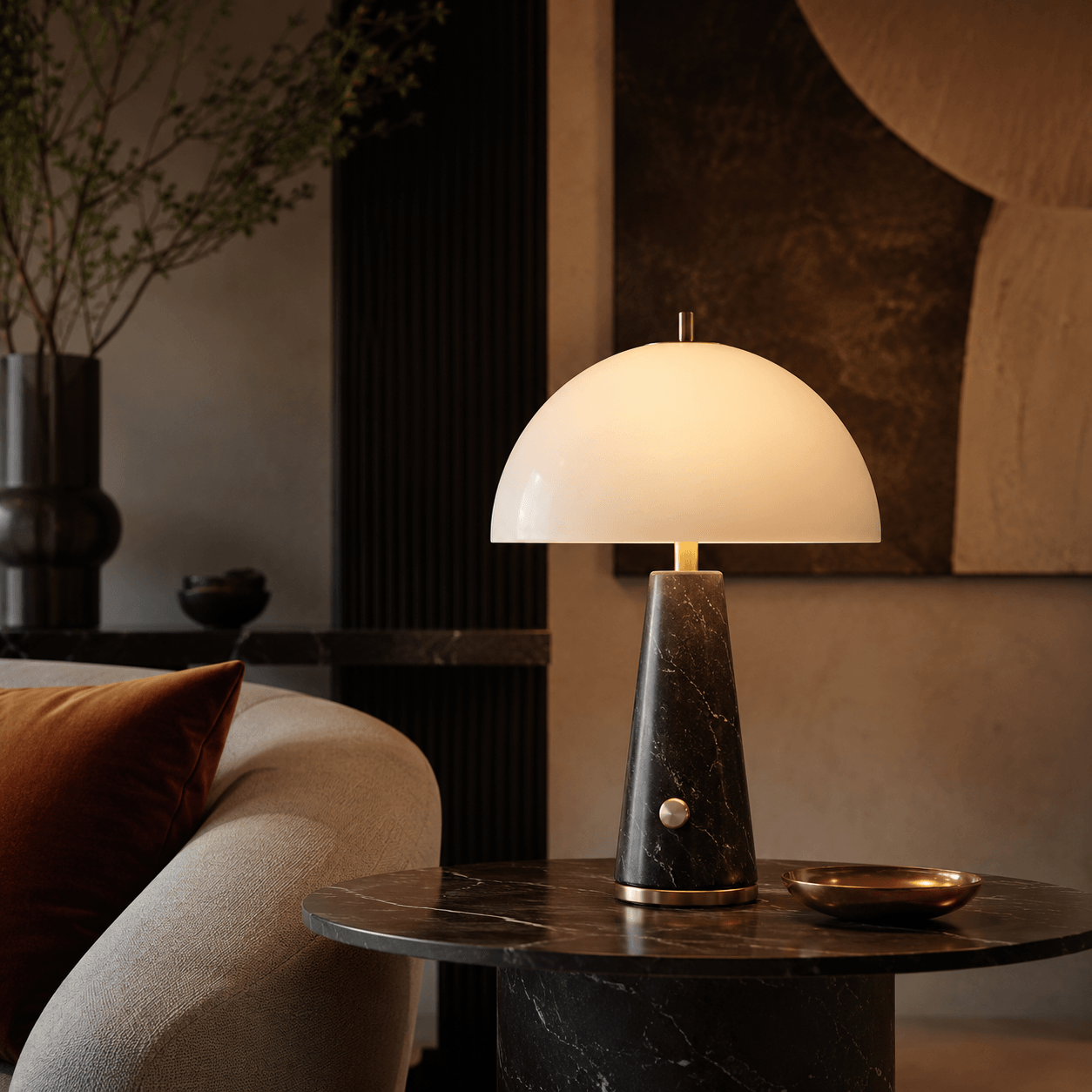
In living rooms, the table lamps vs ceiling lights discussion often ends with both in play—but the lamp carries the decorative weight. Zarvo Lighting leans into sculptural bases and textured shades, helping decor feel curated, not flat.
Reason 3: Flexible Mood Control via Dimmable Smart Bulb
The table lamps vs ceiling lights question gets even more interesting with tech involved.
1) Install a dimmable smart bulb.
2) Connect it to your smart home system.
3) Adjust flexible lighting for better mood control.
Warm glow for winding down. Cooler tones for focus. Quick tweaks to shift the atmosphere without touching a switch.
Ceiling fixtures can dim too, sure. But in table lamps vs ceiling lights setups, portable lamps give adjustable control right where you sit. Zarvo Lighting supports this shift with compatible smart designs that make everyday lighting feel personal.
Uneven Illumination? Combine Lamplight and Ceilings
When people debate table lamps vs ceiling lights, the real issue is rarely one or the other. It’s about balance. Smart interiors mix overhead glow with eye-level shine, so your space feels alive instead of flat. Let’s break down how table lamps vs ceiling lights can actually work together.

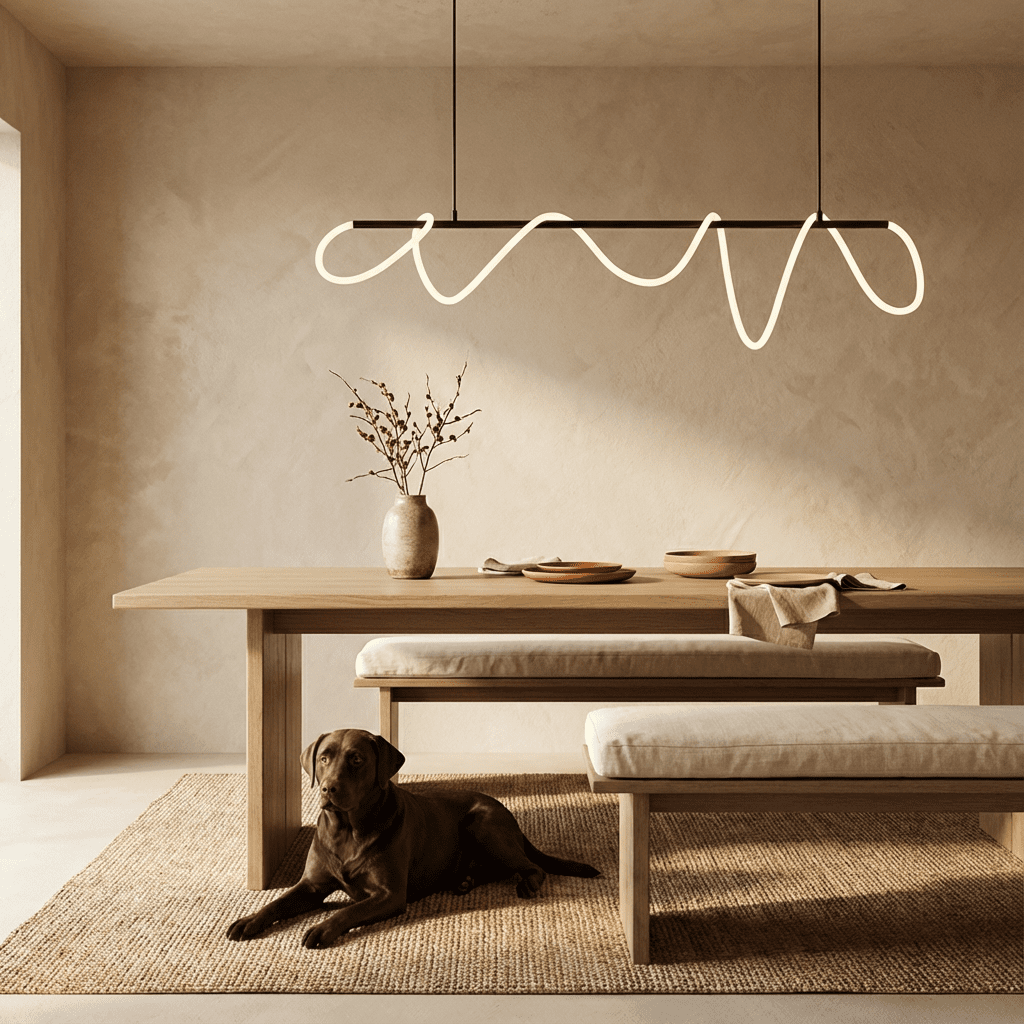
Layer Ambient and Accent Lighting for Depth
In the classic table lamps vs ceiling lights debate, depth usually gets ignored. Yet layered lighting changes everything.
-
Start with a ceiling fixture for base ambient lighting.
-
Add a floor lamp or table lamp for targeted accent lighting.
-
Introduce subtle task lighting near seating or desks.
Now stack it intentionally:
-
Core Layer
-
Overhead illumination
-
Even light spread to soften shadows
-
-
Secondary Layer
-
Side-positioned accent lighting
-
Corners brightened to boost depth perception
-
-
Detail Layer
-
Focused task lighting
-
Highlights that spark visual interest
-
• Soft glow reduces harsh edges
• Mid-level lamps warm up blank walls
• Directed beams guide the eye
Interior designers often note that flat lighting kills mood. A 2025 global home design outlook from Houzz highlighted that layered setups increase perceived comfort and usability in shared spaces.
Zarvo Lighting builds collections that make this blend easy—so the table lamps vs ceiling lights choice stops feeling like a battle and starts feeling intentional.
Mix Floor Lamps with Pendant Lights for Balance
Here’s where lighting balance gets practical.
-
Vertical Strategy
-
Top: pendant light for downward focus
-
Middle: floor lamp for upward glow
-
Lower: table lamp for seated-level warmth
-
That trio builds natural visual harmony.
1) Measure fixture height carefully.
2) Align beams to avoid glare overlap.
3) Keep spacing even across seating zones.
Short tip: uneven height equals uneven mood.
★ Balance isn’t symmetry; it’s distribution.
Think of table lamps vs ceiling lights as vertical partners. Ceiling fixtures handle the broad strokes. Lamps fill the gaps around sofas, reading chairs, and corners that would otherwise feel dim.
A simple checklist helps:
-
Is light reaching eye level?
-
Are corners still shadow-heavy?
-
Does each design element feel connected?
Zarvo Lighting offers adjustable stems and dimmable pendants, making it easier to fine-tune ceiling lights vs table lamps without replacing your whole setup.
Harmonize Color Temperature Across Fixtures
Color chaos ruins good layering fast. Mixing random warm light and cool light can wreck ambiance.
Organize it clearly:
-
Understand the Kelvin scale
-
2700K–3000K: cozy warm light
-
3500K–4000K: brighter cool light
-
-
Match fixtures
-
Keep overhead color temperature aligned with side lamps
-
Maintain light consistency for visual comfort
-
-
Test at night
-
Observe shifts compared to natural light
-
Adjust dimmers to refine lighting mood
-
Multiple quick reminders:
Soft white feels relaxed.
Cool tones boost alertness.
Mixed tones without planning feel messy.
The International Energy Agency noted in its 2025 lighting efficiency update that consistent LED color temperatures improve perceived indoor comfort and reduce visual fatigue in residential settings.
So when weighing table lamps vs ceiling lights, don’t stop at placement. Sync their color temperature. When tones match, the room finally feels pulled together instead of patched together.
Home Office: Task Lighting Matters
Good lighting can make or break a workday. When comparing table lamps vs ceiling lights, the choice shapes comfort, focus, and even mood. Below, we break down how desk lamp setups and ceiling lights work together to create a balanced workspace.

Selecting the Right Desk Lamp for Precision Work
When weighing table lamps vs ceiling lights, precision tasks almost always favor a focused desk lamp. For precision work, targeted illumination reduces glare and eye strain while improving ergonomics.
-
Core Performance Factors
-
Light Quality
-
Color temperature between 4000K–5000K supports alertness.
-
High CRI (≥90) improves detail accuracy.
-
-
Physical Adjustability
-
Flexible arm for directional task lighting
-
Adjustable brightness levels
-
-
Visual Comfort
-
Anti-glare diffusers
-
Stable base for steady beam control
-
-
-
Quick Comparison: table lamps vs ceiling lights for detail work
-
Targeted beam vs broad spread
-
Personal control vs shared ambient lighting
-
Lower watt draw vs room-wide output
-
| Feature | Desk Lamp | Ceiling Light | Recommended Range |
|---|---|---|---|
| CRI | 90–98 | 80–90 | ≥90 for tasks |
| Color Temp (K) | 4000–5000 | 3000–4000 | 4500 ideal |
| Watt Usage | 6–12W | 15–40W | Energy efficient |
| Glare Control | High | Moderate | Diffused lens |
| Adjustability | Multi | Limited | 3+ levels |
For high-focus roles, many users lean toward brands like Zarvo Lighting, known for precision-focused lighting systems.
Integrating Dimmable Ceiling Lights for Adjustable Brightness
Now flip the lens to table lamps vs ceiling lights in full-room coverage. Dimmable lights and modern ceiling lights shape the overall tone of a room.
A balanced plan looks like this:
-
Install a compatible dimmer switch for real-time light control.
-
Layer brightness:
-
100% for deep work
-
60% for meetings
-
30% for wind-down time
-
-
Sync adjustable brightness with daylight cycles to improve energy efficiency.
The U.S. Department of Energy noted in a 2025 efficiency outlook:
“LED systems with dimming capability can reduce lighting energy use by up to 75% compared with traditional incandescent setups.”
In the table lamps vs ceiling lights debate, ceiling fixtures win for scalable ambient lighting, especially in shared offices.
Smart Home Integration: Voice Control and Timer Function
When smart home features enter the mix, table lamps vs ceiling lights becomes less about rivalry and more about coordination.
• Connect both fixtures to one lighting system.
• Enable voice control for hands-free shifts.
• Set a timer function for automatic shutoff.
Multi-step setup for smooth automation:
-
Install compatible smart devices.
-
Pair via secure Wi-Fi connectivity.
-
Create lighting scenes:
-
Focus mode (bright task lighting)
-
Balance mode (lamp + dimmed ceiling)
-
Relax mode (soft overhead glow)
-
This layered strategy turns table lamps vs ceiling lights into a smart partnership. With thoughtful planning—and options from Zarvo Lighting—your office lighting simply works, no fuss.