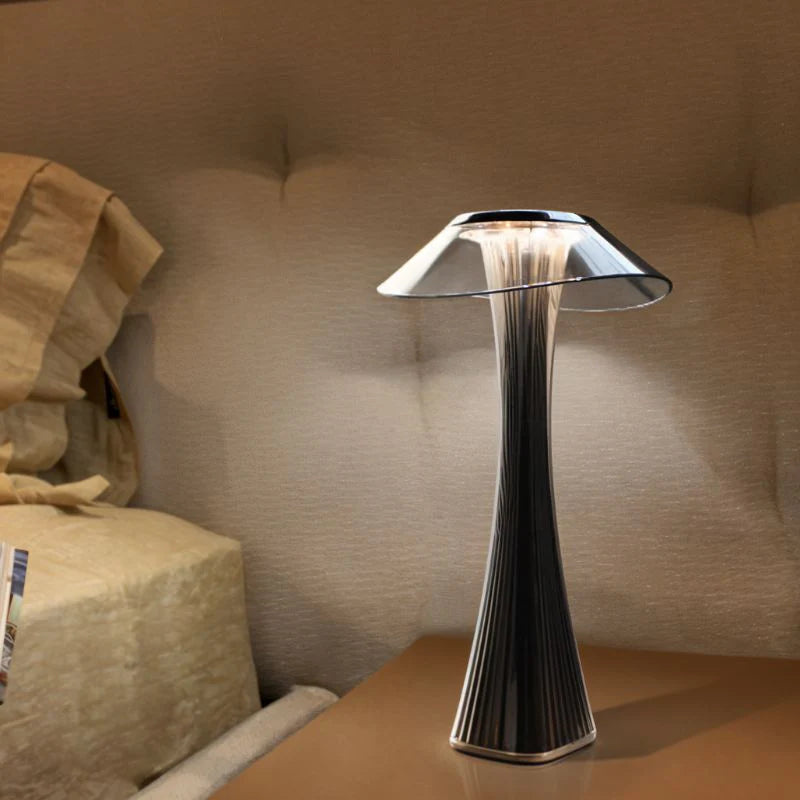

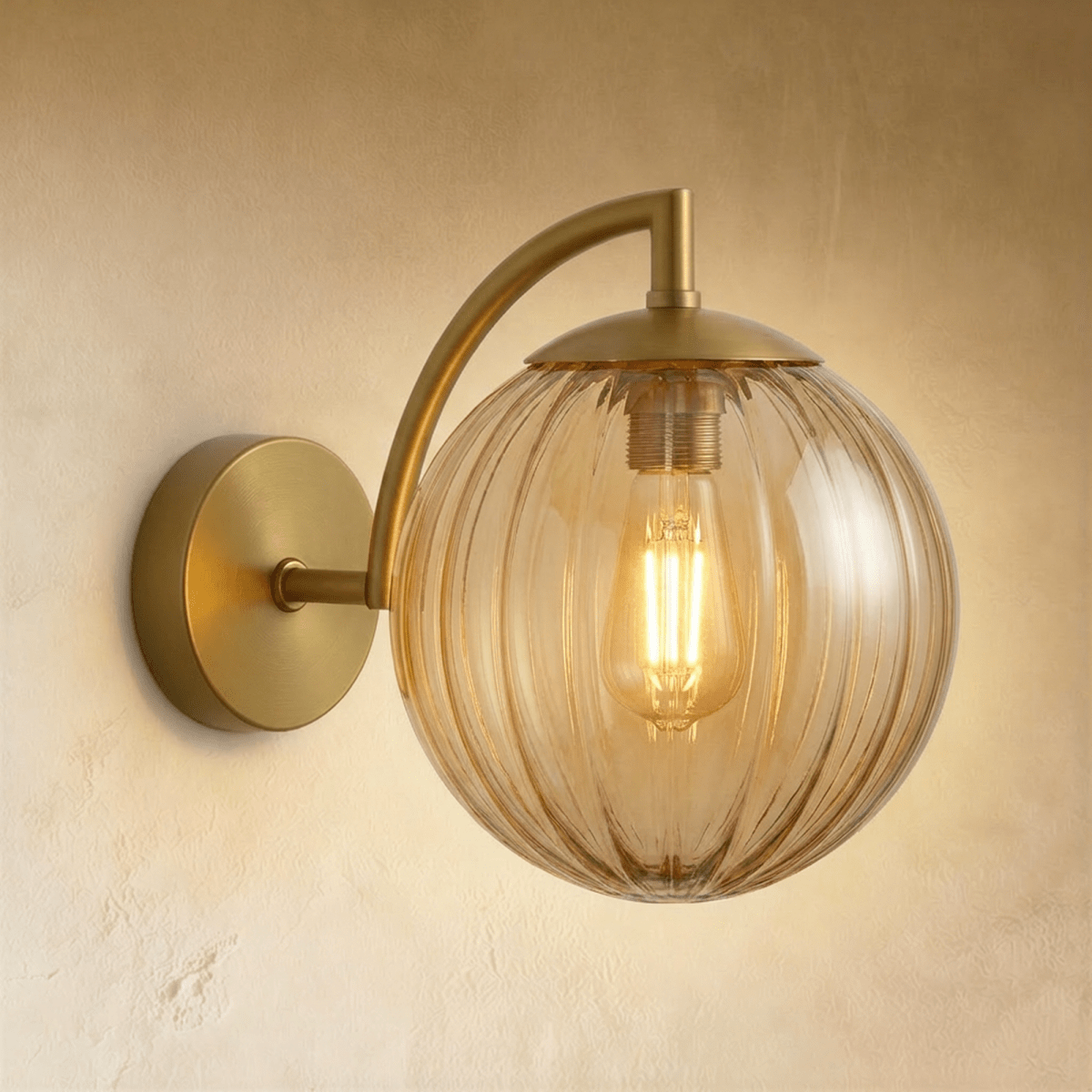
Plug-In vs Hardwired Wall Sconces: 5 Key Differences to Know
Plug-In vs Hardwired Wall Sconces trips people up fast; cords shout, walls demand commitment, budgets groan, and placement turns stubborn.
Houzz & Home studies and NAHB show renters prefer flexible installs, while new builds prioritize clean, code-compliant hardwiring for resale.
Choose wrong and pay twice live with eyesores; choose right, rooms click.
Key Notes: Plug-In vs Hardwired Wall Sconces
➔ Flexibility & Placement: Plug-in models mount effortlessly without an electrician, perfect for renters or mood shifts; hardwired fixtures demand junction boxes but deliver seamless, switch-controlled lighting.
➔ Cost & Compliance: Plug-ins save on labor and permits, though visible cords may clutter; hardwired versions incur higher upfront expenses yet adhere to codes and boost resale value.
➔ Style & Functionality: Choose matte-black or glass plug-in sconces with dimmable LEDs for instant installs; opt for integrated LED hardwired designs to achieve a clean look with wall-switch control.
3 Reasons To Choose Plug-In Wall Sconces
When weighing Plug-In vs Hardwired Wall Sconces, most people just want something simple, stylish, and not a headache to install. The debate around plug in vs hardwired lighting often comes down to flexibility, cost, and control. Below, we break down why plug-in wall lights are winning hearts—and walls.

Flexible Placement with Corded AC Power and On/Off Switch
In the conversation about Plug-In vs Hardwired Wall Sconces, flexibility usually tips the scale.
-
Works with standard outlets
-
Easy repositioning
-
Built-in on/off switch
-
Mount bracket
-
Connect corded line to AC power
-
Adjust arm and angle
At home, flexibility means:
-
Bedroom
-
Bedside reading
- Adjustable arm for focused light
-
-
Living room
-
Accent wall
- Art highlight
-
The beauty of flexible placement is simple: no electrician, no wall damage, no stress. Compared to hardwired wall sconces, plug-in models let you test layouts freely. Renters especially appreciate the freedom of plug in wall sconces during a Plug-In vs Hardwired Wall Sconces decision.
No Hardwiring Needed: Plug-In Metal or Glass Designs in Matte Black
The biggest win in plug in vs hardwired comparisons? No hardwiring.
Installation basics:
-
Mount plate
-
Secure plug-in fixture
-
Connect to outlet
Design choices include:
-
Metal frame
-
Industrial
-
Minimal
-
-
Glass shade
-
Frosted
-
Clear
-
-
Matte black finishes
| Feature | Plug-In Sconces | Hardwired Sconces | Impact |
|---|---|---|---|
| Installation Time | 15–30 min | 1–2 hrs | Faster setup |
| Electrician Cost | $0 | $150–$400 | Budget friendly |
| Wall Damage | Minimal | Moderate | Renter-safe |
| Portability | High | Fixed | Flexible decor |
Brands like Zarvo Lighting focus on sleek designs that feel permanent—without permanent wiring. In a real-world Plug-In vs Hardwired Wall Sconces matchup, convenience often seals the deal.
Instant Lighting: Dimmable LED or Edison Bulb Without an Electrician
Need instant lighting? Plug in. Done.
Options include:
-
Dimmable warm glow
-
Energy-saving LED
-
Vintage Edison bulb
Setup flow:
-
Choose bulb type
-
Mount fixture
-
Plug in
-
Adjust brightness
Compared to hardwired wall lights, plug-in models skip scheduling contractors. During a Plug-In vs Hardwired Wall Sconces choice, that speed matters.
Zarvo Lighting pairs dimmable compatibility with easy access controls, so brightness fits movie nights or late reading. In the wider plug in vs hardwired debate, quick setup and adaptable lighting keep plug-in sconces ahead.
Hardwired Vs Plug-In Wall Sconces: Cost Breakdown
Picking between Plug-In vs Hardwired Wall Sconces usually comes down to budget, wiring access, and how permanent the setup should feel. Some homeowners want a clean built-in finish, while others prefer fast installation and easy movement. Zarvo Lighting often recommends comparing labor, placement, and long-term convenience before buying wall sconces.

Hardwired Wall Sconces
With Plug-In vs Hardwired Wall Sconces, hardwired models usually carry the bigger upfront bill because a Professional installation is commonly needed. A licensed electrician may add a Junction box, route Electrical wiring, and connect the fixture to Wall switch control systems for a polished finish.
-
Typical cost layers:
-
Fixture price
-
Electrician labor
-
Permit fees
-
Dimmer upgrades
-
-
Why many homeowners still choose hardwired wall sconces:
-
Cleaner walls with no visible cable
-
Strong Integrated design appeal
-
True Permanent fixture value during resale
-
Small detail, big difference: integrated LED hardwired wall sconces can reduce bulb replacement costs over time, though the initial purchase price climbs faster.
The 2025 Houzz U.S. renovation trends update noted that built-in lighting upgrades continue gaining traction because homeowners prefer streamlined lighting layouts with fewer exposed cords.
Plug-In Wall Sconces
Plug-In vs Hardwired Wall Sconces becomes much simpler on the plug-in side. Installation is quick, costs stay lower, and most setups only require an Electrical outlet nearby.
-
Common advantages of plug-in wall sconces:
-
DIY installation
-
Flexible placement
-
Easy relocation
-
A renter can mount one beside a bed today, then move the same fixture next month. That portability matters.
For many shoppers comparing hardwired vs plug-in wall sconces, the tradeoff is visual. A Visible cord may interrupt a sleek wall design, yet the savings are real.
• Budget-friendly metal and glass models keep total costs manageable.
Plug-In vs Hardwired Wall Sconces also differs in day-to-day flexibility. Plug-in wall sconces work well for reading corners, apartments, and temporary layouts where Portable lighting matters more than hidden wiring.
Do You Need An Electrician For Hardwired Sconces?
When comparing Plug-In vs Hardwired Wall Sconces, the big question is simple: can you install it yourself, or should you call an electrician? From wiring rules to labor costs, here’s what really matters.

Assessing Junction Box and Surface Mount Requirements
With Plug-In vs Hardwired Wall Sconces, installation starts inside the wall.
-
Electrical Infrastructure
-
Existing junction box
-
Properly secured to framing
-
Rated for fixture weight
-
-
No junction box
-
Wall cut‑in required
-
New electrical wiring routed to switch or power source
-
-
-
Fixture Mounting Style
-
Surface mount bracket systems
-
Must align with mounting hardware
-
Decorative plate hides wiring
-
-
Traditional wall sconce backplate
-
Connects directly to box
-
Must meet installation requirements under electrical code
-
-
-
Safety Checkpoints
-
Wire gauge compatibility
-
Ground connection integrity
-
Box fill capacity compliance
-
In the Plug-In vs Hardwired Wall Sconces debate, plug-in models skip in-wall wiring, while hardwired fixtures demand precise box placement and code alignment.
Labor Costs for Direct Wire vs DIY Installation
Cost is often the deal breaker in Plug-In vs Hardwired Wall Sconces decisions.
-
Hiring an electrician means added labor costs, typically tied to:
-
Running new wiring
-
Installing a recessed box
-
Switch leg configuration
-
-
Simple swap (existing box): lower professional installation fee
-
New line run: moderate pricing
-
Panel upgrade or circuit addition: higher range
DIY installation can trim expenses, but only if you understand grounding, neutral continuity, and safe direct wire connections. Mess up a splice and you risk heat buildup inside the wall.
For homeowners balancing style and safety, brands like Zarvo Lighting design fixtures compatible with standard boxes, reducing complexity. When comparing Plug-In vs Hardwired Wall Sconces, factor in both upfront labor and long‑term home improvement value.
Permits, Safety Codes, and Professional Hardwired Setup
Electrical compliance shapes the final call in Plug-In vs Hardwired Wall Sconces.
-
Permits
-
Local electrical permits often required for new circuits
-
Bathroom and exterior installs face stricter review
-
-
Code Alignment
-
National and local building codes
-
AFCI/GFCI protection rules
-
Fixture damp or wet ratings
-
-
Professional Oversight
-
Licensed electrician verifies electrical safety
-
Inspection sign‑off ensures compliant hardwired setup
-
Older homes complicate the Plug-In vs Hardwired Wall Sconces choice. Cloth wiring, shallow boxes, or missing grounds can stall a DIY plan fast. In those cases, bringing in a pro protects both your lighting investment and resale value. Zarvo Lighting often recommends certified installation for permanent fixtures in regulated spaces.
Plug-In Vs Hardwired Wall Sconces: Safety Concerns
Choosing between Plug-In vs Hardwired Wall Sconces can feel like splitting hairs, yet safety changes the whole story. From cord visibility to concealed electrical wiring, each option carries its own vibe and risk level. Here’s what actually matters in daily life.

Plug-In Wall Sconces
When people compare Plug-In vs Hardwired Wall Sconces, plug-in models win points for flexibility and speed. Setup often means simple outlet connection, true DIY installation, and instant placement flexibility without cutting drywall.
The National Fire Protection Association’s 2025 home electrical safety update notes that many residential electrical incidents stem from overloaded outlets and extension misuse, reinforcing the importance of proper cord management.
Safety breaks down like this:
-
Power Access
-
Direct outlet connection keeps wiring visible.
-
A visible cord allows quick inspection for wear.
-
Unplugging cuts power instantly in an emergency.
-
-
Risk Factors
-
⚠ Overload risk if multiple high-watt devices share one outlet.
-
⚠ Loose plugs increase heat buildup.
-
⚠ Poor routing creates a tripping hazard along walkways.
-
-
Lifestyle Fit
-
Easy portability for renters.
-
Great for temporary layouts.
-
Fast swaps when style changes.
-
For homeowners browsing Plug-In vs Hardwired Wall Sconces, brands like Zarvo Lighting design plug-in options with certified cords and reinforced insulation. That means fewer surprises behind the scenes and more peace of mind.
Hardwired Wall Sconces
Hardwired fixtures feel solid. Clean walls, no dangling visible cord, and a polished look. In the Plug-In vs Hardwired Wall Sconces debate, this side leans toward permanence.
• Installed directly into electrical wiring
• Secured within a junction box
• Classified as a permanent fixture
Safety depends on execution.
1) Proper professional installation reduces shock hazard.
2) Secure grounding lowers long-term fire risk.
3) Meeting local code compliance prevents hidden liability.
A rushed install can backfire. Loose connections inside the junction box may overheat. Incorrect grounding increases danger over time. That’s why many homeowners comparing hardwired vs plug-in wall sconces call in licensed electricians.
Zarvo Lighting recommends pairing high-quality sconces with certified installers to protect both wiring and warranty. In the ongoing Plug-In vs Hardwired Wall Sconces decision, it really comes down to this: quick flexibility with visible management, or seamless integration backed by precise installation.
Scenario: Bedroom Lighting—Which Wall Sconce?
Picking between Plug-In vs Hardwired Wall Sconces can totally change the mood of a bedroom. Some people want quick setup and charging access near the bed, while others care more about a clean wall and soft glow. Zarvo Lighting keeps both styles easy to compare, especially when Plug-In vs Hardwired Wall Sconces comes down to comfort, wiring, and daily habits.

Minimalist Plug-In LED Reading Light with USB Charging
For renters or late-night readers, Plug-In vs Hardwired Wall Sconces usually starts with convenience.
-
A minimalist design keeps the bedside area calm.
-
The USB port handles overnight charging without extra adapters.
-
Adjustable arms turn the reading lamp exactly where needed.
-
Mount the wall-mounted fixture.
-
Use simple plug-in installation beside the bed.
-
Dim the LED technology before sleeping.
Small details matter:
-
warm dimming
-
slim profile
-
hidden cord clips
Zarvo Lighting pairs this style nicely with modern oak furniture, especially when Plug-In vs Hardwired Wall Sconces feels less about style rules and more about everyday ease.
Mid-century Hardwired Integrated LED for Ambient Glow
A mid-century style sconce feels cleaner because the fixed wiring disappears into the wall.
-
Soft ambient lighting spreads evenly across the room.
-
Ideal beside low-profile beds
-
Works well with dimmer switches
- Adds hotel-like calm at night
-
A 2025 Houzz lighting trend update noted that integrated LED wall fixtures remain popular in bedrooms because homeowners prefer uncluttered lighting with lower visible hardware.
The hardwired installation also gives a permanent, polished finish. In many Plug-In vs Hardwired Wall Sconces debates, this option wins for symmetry and built-in design flow. A sleek wall sconce with integrated LED lighting can make small bedrooms feel surprisingly open.
Traditional Plug-In Brass or Fabric Sconce for Cozy Corners
Some bedrooms just look better with texture and warmth.
-
Brass finish fixtures add vintage character.
-
A fabric shade softens shadows.
-
The plug-in sconce setup avoids electrical work.
For reading corners:
-
Place the accent light lower beside a chair.
-
Use warm Edison bulbs for cozy lighting.
-
Let the fixture double as wall decor.
Plug-In vs Hardwired Wall Sconces often becomes a style conversation here. Traditional rooms usually welcome visible cords and layered light. Zarvo Lighting mixes traditional design with easy installation, making Plug-In vs Hardwired Wall Sconces feel approachable instead of overly technical.